The History of Cacao
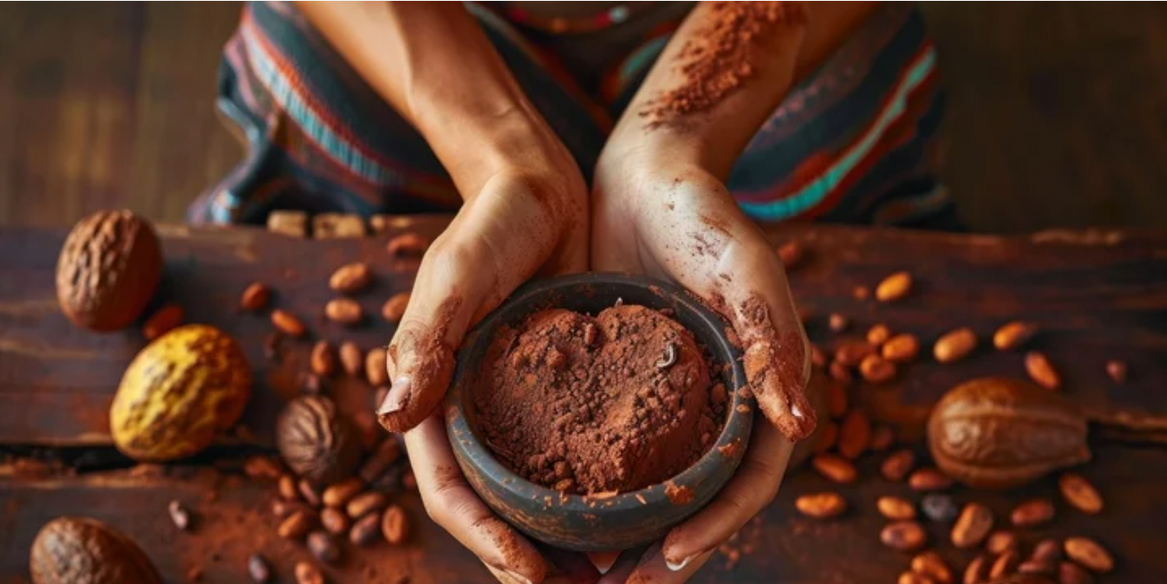
Kakaw - The medicine to your heart...
“Kakaw” comes from a family of indigenous languages spoken primarily in the Andean region of South America called “Quechua” and it embodies more than just the botanical term referring to the cacao plant; It represents a sacred connection to nature, a channel for spiritual exploration, and a vessel for healing energies.
Kakaw has been venerated for centuries by indigenous peoples of the Americas for its medicinal and ceremonial properties. In spiritual healing practices, kakaw is believed to facilitate heart-opening experiences, emotional release, and profound connections to oneself and others. It is seen as a plant that supports inner growth, self-awareness, and the integration of mind, body, and soul.
By honouring the traditions and wisdom associated with kakaw, individuals can embark on a transformative journey of healing and self-discovery. Whether used in ceremonial settings or daily rituals, kakaw serves as a potent tool for cultivating presence, compassion, and holistic well-being.
Incorporating kakaw into spiritual healing practices can foster a deeper connection to the natural world, enhance inner harmony, and invite a sense of honor for the interconnectedness of all beings. Through its multifaceted symbolism and healing properties, kakaw offers a pathway to awakening, empowerment, and spiritual renewal.
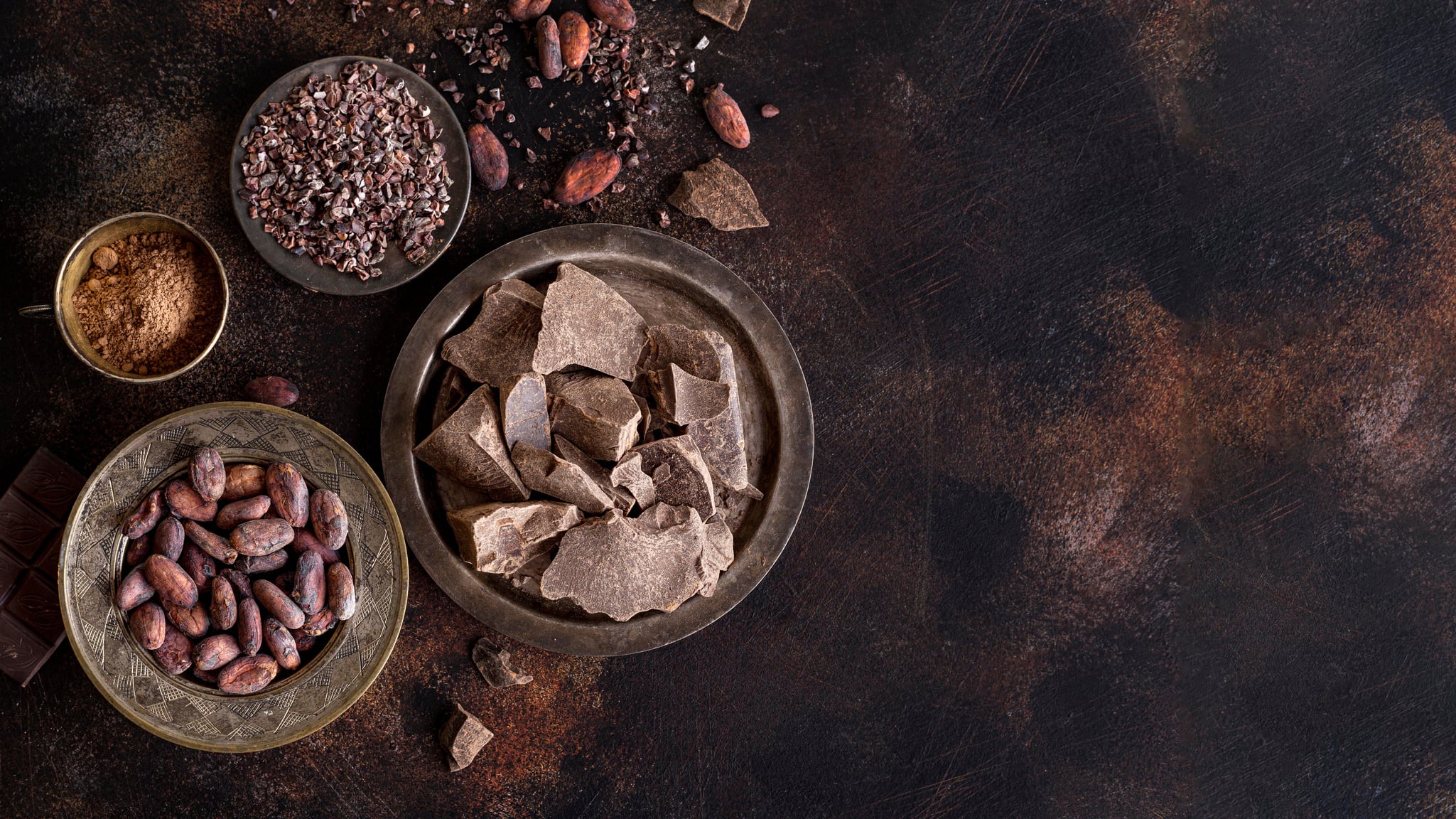
The History of Cacao is a journey through time, weaving its way across continents and cultures, leaving a path of respect, mystery, and deep meaning in its wake. Among the lush landscapes of Ecuador and throughout the pre-Hispanic civilizations of the Americas, cacao held a sacred place in rituals, ceremonies, and ancestral traditions that has lasted thousands of years
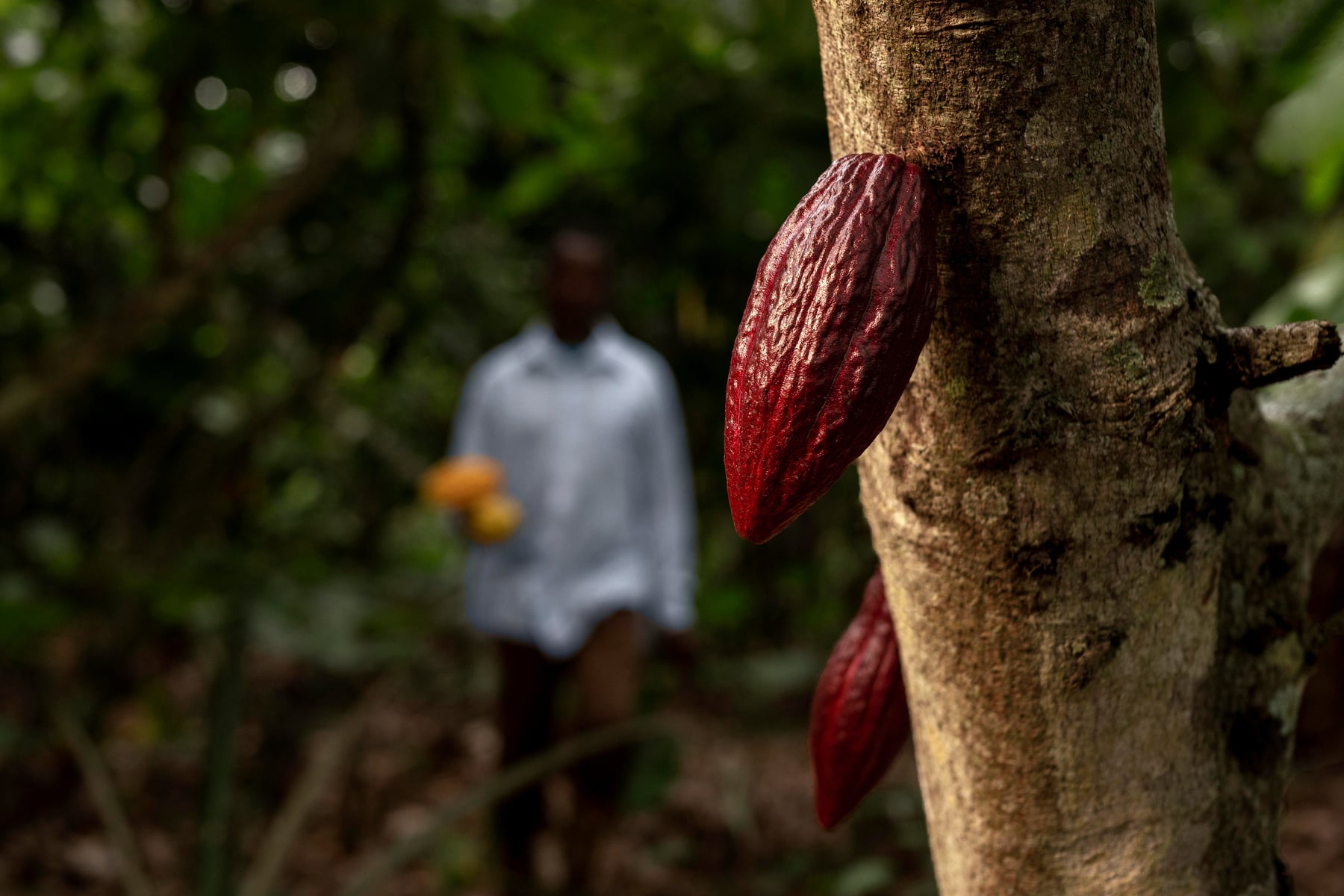
Long before the arrival of European colonizers, the indigenous peoples of Ecuador cultivated cacao and honored it as a gift from the gods. For them, cacao was more than just a crop; it was a symbol of abundance, fertility, and spiritual connection. In pre-Hispanic rituals and ceremonies, cacao played a central role, its beans transformed into a sacred beverage that bridged the physical and spiritual worlds.
These ancestral traditions, passed down through generations, embodied a deep understanding of the healing properties and ceremonial significance of cacao. From the Olmecs and Maya of Mesoamerica to the Quechua and Shuar of the Andes, indigenous cultures across the Americas embraced cacao as a source of nourishment for the body, mind, and soul.
As we journey through the history of cacao in Ecuador and beyond, we uncover the timeless wisdom of ancient civilizations, the alchemy of ritual and admiration, and the enduring legacy of a plant that continues to inspire wonder and awe to this day.
Join us as we explore the captivating story of cacao – a story interlaced with threads of culture, spirituality, and the enduring bond between humanity and nature.
Mikaela Vinueza